
Mold After Flooding in Pagosa Springs, CO
If your home stayed wet for more than a day or two, mold is a real question. Describe what you see once, and independent companies serving Pagosa Springs, Durango and Archuleta County can reply with free quotes.
Get a Free Quote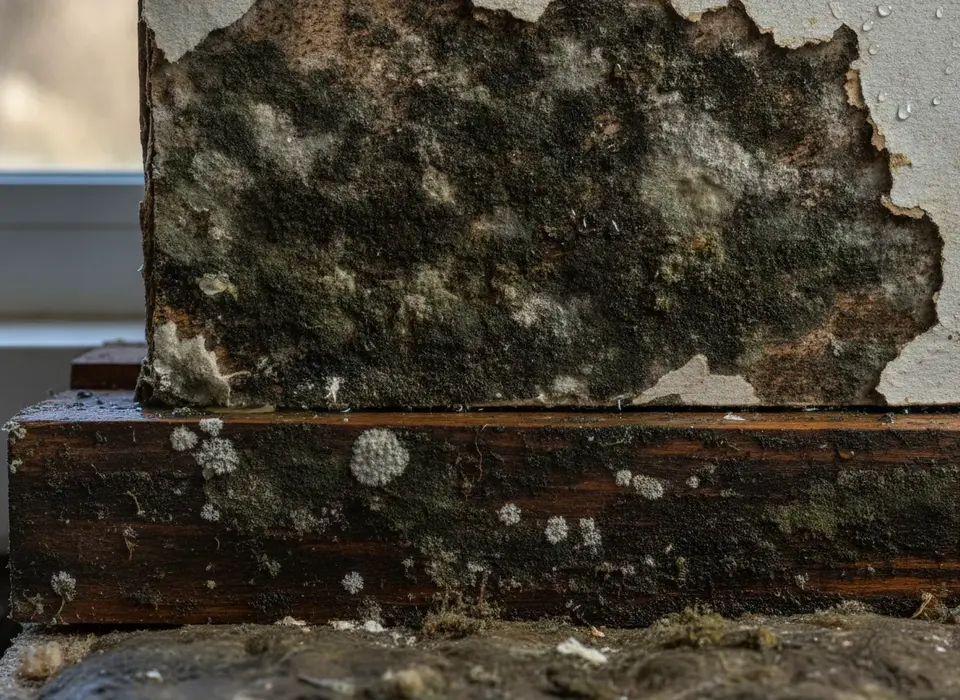
What is going on behind the wall
Mold needs moisture, something to eat and time. Drywall paper, wood framing, carpet backing and insulation all count as food. EPA says that if wet or damp materials are dried within 24 to 48 hours after water gets in, in most cases mold will not grow. Its guide for disaster cleanup goes further: if you were not able to dry your flooded home within 24 to 48 hours, assume you have mold growth.
That is a planning rule, not a reason to panic. It means a house that sat wet after a flood should be treated as if mold is present until someone checks. Growth often starts where you cannot see it: inside wall cavities, under flooring, on the back of baseboards and in crawl spaces.
Signs to look for: a musty smell, spotting or staining that spreads, peeling paint, and drywall that feels soft. If anyone in the house has asthma, allergies or a weak immune system, keep them out of the affected area and talk to a doctor about symptoms. When you are ready, call (970) 408-5771 or use the quote form.
What the companies typically do
Remediation is mostly containment, removal and drying. Ask for each step in the scope.
Inspect and find the moisture
The company looks for visible growth, takes moisture readings and finds the water source. Mold comes back if the material stays wet.
Contain the area
Plastic sheeting and negative air pressure keep spores from spreading to clean rooms while work is underway.
Remove what cannot be cleaned
Moldy drywall, insulation and carpet are cut out and bagged. In older homes, asbestos testing comes before the cutting.
Clean and dry the framing
Studs and subfloor are cleaned, often HEPA-vacuumed and treated, then dried to target readings.
Check before rebuild
Final readings and a visual check confirm the area is clean and dry before new drywall goes up.
Mold in Pagosa Springs after the 2026 flooding
As of November 1, 2026, many homes along the San Juan River corridor and in rural Archuleta County had been wet since the October 23 crest, and a second crest was forecast for the night of November 1. For those homes, the EPA 24 to 48 hour window has passed. Plan on a mold check as part of the cleanup, even if walls look fine. The 2026 flood recovery guide covers safety, free volunteer help that may include mold work for those who qualify, and official sources.
Cold weather slows mold but does not stop it. A heated house with wet walls is ideal for growth. An unheated second home may look clean in December and show growth once it warms up. If you own one of the many seasonal homes in the county, ask someone to look and smell for mold on each visit, and read our page on frozen and burst pipes.
Many companies that serve Pagosa Springs are based in or near Durango. If you are in La Plata County looking for mold removal, see the Durango area page.
What mold remediation typically costs
Price follows the size of the affected area, how much has to be removed and whether containment is needed. A small, contained area costs far less than a whole lower floor.
| Item | Typical range | Source |
|---|---|---|
| Mold remediation | $1,200–$3,750 (avg ≈ $2,300) | This Old House |
| Typical water damage job | $1,200–$5,000 | Fixr |
| Wet crawl space | $1,500–$5,000 | HomeGuide |
Typical national published ranges, not local quotes (Fixr, HomeGuide, This Old House, HomeAdvisor; 2025–2026). Pagosa Springs quotes come from the companies, not from this site.
Get the mold work and the water work priced together when you can, so nothing is counted twice. The cost guide lets you add mold remediation to a planning estimate.
Colorado rules and insurance notes
No state mold license. Colorado has no state license for mold remediation, water damage restoration or general contracting. That puts the checking on you. Inside Town limits, confirm the company holds a Town of Pagosa Springs business license (required for contractors and their subs; unincorporated Archuleta County has none). Ask for an insurance certificate and a written scope. IICRC mold training (the S520 standard) is a useful extra. Complaints go to the Colorado Attorney General.
Asbestos and lead. Flood-damaged drywall in older homes may contain asbestos in joint compound or tape, as the Town and County have warned. Colorado Regulation 8 requires inspection before disturbing more than small amounts (32 sq ft or 50 linear ft in single-family homes). For pre-1978 homes, ask about EPA Lead-Safe practices.
Insurance. Mold coverage depends on the cause. Mold from a covered loss such as a burst pipe may be covered up to a policy limit; mold after river flooding falls under flood coverage, and standard homeowners policies generally exclude flood. Ask your insurer for a copy of your policy (due within 3 business days under C.R.S. 10-4-110.8) and read the mold section. See claim documentation.
When it is urgent
- Materials have been wet for more than 48 hours.
- You see growth spreading or smell it in more than one room.
- Someone in the home has breathing problems.
- Walls are about to be closed up after a flood.
Questions to ask companies
- How will you contain the work area?
- Will you test for asbestos before removing drywall?
- How will you confirm the area is clean and dry before rebuild?
- Do you hold a Town business license (inside Town limits) and insurance?
- Is the water source fixed, and who fixes it?
Mold after flooding FAQ
How fast does mold grow after a flood?
EPA says that if wet materials are dried within 24 to 48 hours, in most cases mold will not grow. After a flood, EPA advises assuming mold growth if you could not dry the home within that time. Growth can be hidden inside walls, so treat a house that stayed wet as needing a mold check.
Do I need a mold test?
Often not. If you can see or smell mold, testing rarely changes the plan: the moisture source gets fixed and the moldy material gets removed. Testing can help when you suspect hidden growth, after remediation to confirm results, or when an insurer asks. Ask the company what a test would change before paying for one.
Can I clean small mold spots myself?
EPA guidance says a homeowner can usually clean small areas, roughly under 10 square feet, on hard surfaces with detergent and water while wearing gloves, goggles and an N95 respirator. Larger areas, moldy drywall in older homes and anything after floodwater are better handled by a company with containment equipment.
Does Colorado license mold remediation companies?
No. Colorado has no state license for mold remediation. Check the Town of Pagosa Springs business license if the work is inside Town limits, ask for proof of insurance and a written scope, and ask about IICRC mold training as an optional extra. Report problems to the Colorado Attorney General.
Get free mold remediation quotes
Describe where you see or smell mold, what got wet and when. Independent companies reply directly. No obligation.
Flood or water damage? Get free quotes.
Tell us what happened and independent restoration companies serving Pagosa Springs and Archuleta County can reply with no-obligation quotes.